Technical overview
ASTM B348 covers titanium bar and billet in many grades. Grades 1–4 are unalloyed titanium of increasing strength. Grade 5 (UNS R56400) is the 6% aluminium, 4% vanadium alloy, and Grades 7, 11 and 16 add palladium for improved corrosion resistance.
Grade 5 is the most widely used titanium grade and can be heat-treated to increase strength. Grade 2 is selected for corrosion resistance: it is virtually immune to wet chlorine at 10–80 °C and is specified for chloride media and high-temperature seawater.
Grades & standards
Grades are distinct materials — properties and uses below apply to the named grade only.
Grade 2 (UNS R50400)
Unalloyed titanium
Composition: Commercially pure titanium (limits per ASTM B348)
- Outstanding corrosion resistance in chloride media
- Grade 2H variant: min. UTS 400 MPa
- Bleach-plant mixers, pipework, fasteners
Listed specifications: ASTM B348
Grade 5 (UNS R56400)
Ti-6Al-4V
Composition: Titanium alloy with nominal 6% Al, 4% V
- Most widely used titanium grade
- Heat-treatable alpha-beta alloy
- Limited cold formability
Listed specifications: ASTM B348
Grades 7 / 11 / 16
Palladium-bearing unalloyed titanium
Composition: Unalloyed titanium with palladium addition (0.12–0.25% Pd for Grades 7 and 11)
- Enhanced corrosion resistance
- Confirm suitability for your medium with our team
Listed specifications: ASTM B348
Technical properties
| Property | Value | Applies to | Source |
|---|---|---|---|
| Minimum tensile strength | 400 MPa (58 ksi) | Grade 2H | ASTM International |
Typical or specified values for the named grade from the cited source. Actual values depend on temper, size and the producing mill — rely on the mill certificate for your lot.
Forms
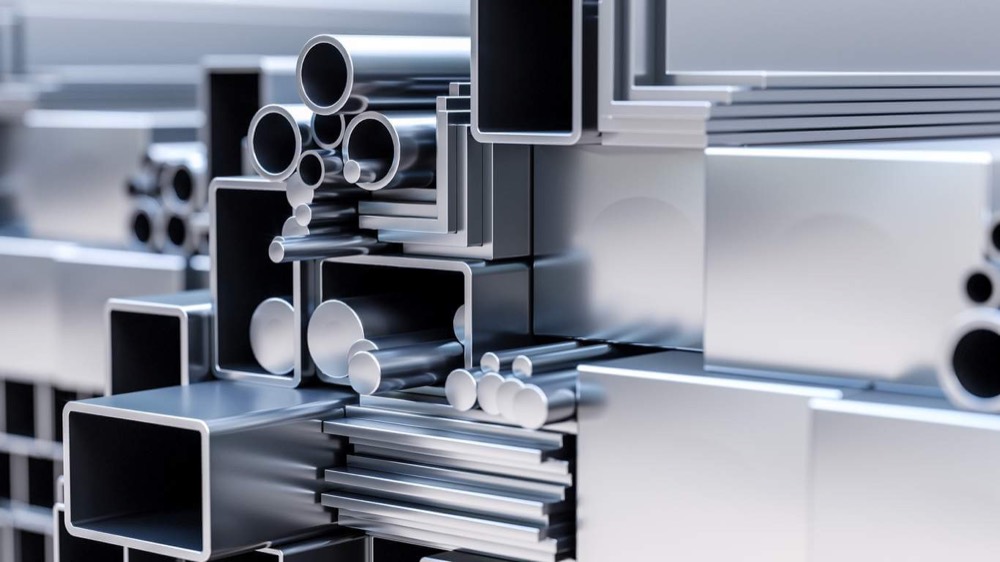
Typical industry forms for this material. They are not a stock list — form, size and availability are confirmed per enquiry.
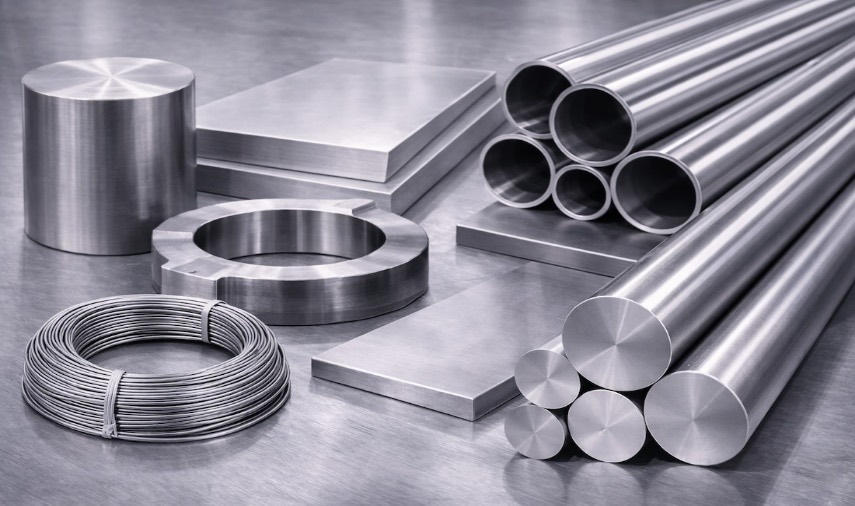
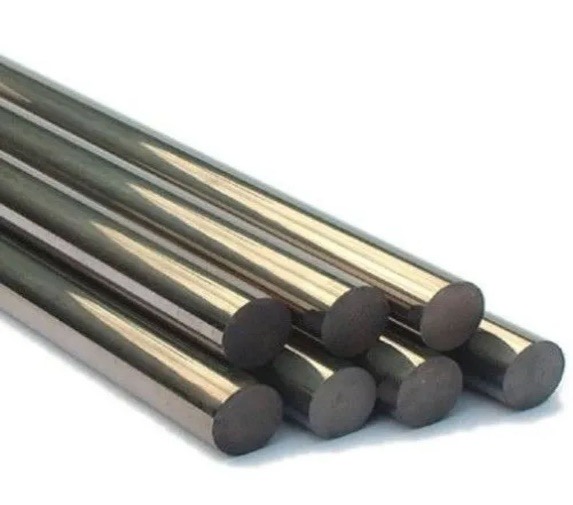
- Round bar
- Billet
- Sheet & plate
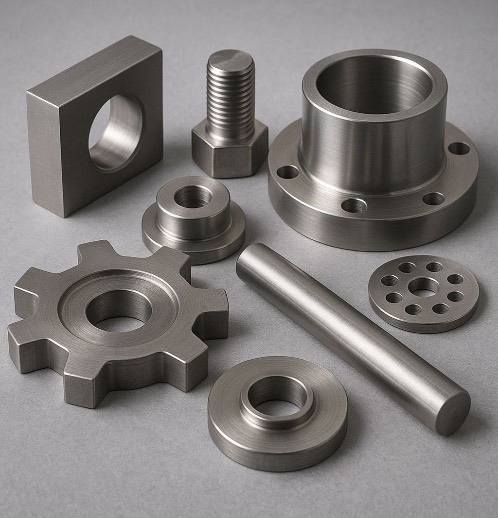
- Fasteners & machined parts
Applications & industries
- Chemical-process equipment in chloride media
- Seawater-service components
- High-strength fasteners and machined parts (Grade 5)
- Bleach-plant mixers and pipework (Grade 2)
Selection notes & limitations
- Grade 2 and Grade 5 are not interchangeable — Grade 2 is chosen for corrosion and formability, Grade 5 for strength.
- Corrosion behaviour depends on temperature, pH and flow velocity; crevice and stress-corrosion susceptibility must be assessed for the service.
- Aerospace-certified titanium (AMS-specified) requires separate confirmation — ask our team.
What to specify when requesting a quote
- 1ASTM grade number (e.g. Grade 2, Grade 5) and any AMS/aerospace specification
- 2Condition (annealed, heat-treated) and surface finish
- 3Grade and the standard it must conform to (ASTM, EN, IS, UNS or your drawing)
- 4Form and dimensions — thickness or diameter, width, length and tolerances
- 5Approximate quantity, and whether the requirement is one-off or recurring
- 6Intended application, so the grade can be cross-checked before quoting
- 7Documents required — e.g. mill test certificate, chemical analysis, certificate of conformity
- 8Delivery city / site and the date you need material by
Documents buyers may request
Mill test certificate
e.g. EN 10204 type 3.1 inspection certificate, where the producing mill issues one
Chemical analysis report
heat / lot composition against the specified grade
Certificate of conformity
confirming the material meets the ordered standard
Heat / lot traceability
heat numbers marked on material and documents
Dimensional inspection report
for cut-to-size or machined material
Safety Data Sheet (SDS)
especially for lead, beryllium-, cadmium- or lead-bearing products
Which documents can be provided depends on the source mill and is confirmed with each quotation.
Frequently asked questions
Should I choose Grade 2 or Grade 5?
Grade 2 is generally selected where aqueous corrosion resistance or formability is required. Grade 5 (Ti-6Al-4V) is chosen for strength. Tell us the service conditions and we will help you confirm.
Sources & technical references
- ASTM B348 — Titanium and Titanium Alloy Bars and Billets — ASTM International. Checked 2026-10-14.Full standard is paywalled — only the public abstract and scope on astm.org were read. Composition tables were not accessed.
- Titanium Grade 5 vs Titanium Grade 2 — NeoNickel (distributor). Checked 2026-10-14.Distributor guidance; the page states it is not a technical specification.