Technical overview
Wrought aluminium is designated by series. 1xxx alloys are ≥ 99% aluminium with excellent corrosion resistance and conductivity, for example 1350 for electrical applications. 2xxx (copper) and 7xxx (zinc) alloys are heat-treatable high-strength series used throughout the aircraft industry; 2024 is the classic aircraft alloy.
5xxx (magnesium) alloys such as 5083 offer moderate-to-high strength, good weldability and corrosion resistance in the marine environment. 6xxx (magnesium-silicon) alloys are versatile, heat-treatable and weldable, and are the first choice for architectural and structural extrusions.
Grades & standards
Grades are distinct materials — properties and uses below apply to the named grade only.
1xxx (e.g. 1350, 1100)
Commercially pure aluminium
Composition: Aluminium ≥ 99%
- High electrical and thermal conductivity
- 1350 for electrical applications
- Non-heat-treatable
5xxx (e.g. 5083)
Aluminium-magnesium
Composition: Magnesium as principal alloying element
- Corrosion resistance in marine environment
- Good weldability
- Pressure vessels, storage tanks, marine
6xxx (e.g. 6061, 6063)
Aluminium-magnesium-silicon
Composition: Silicon and magnesium
- Heat-treatable, formable, weldable
- First choice for architectural and structural extrusions
2xxx / 7xxx (e.g. 2024, 7075)
High-strength aircraft series
Composition: Copper (2xxx) or zinc (7xxx) as principal alloying element
- Heat-treatable, very high strength
- 2xxx generally clad for atmospheric corrosion resistance
Forms
Typical industry forms for this material. They are not a stock list — form, size and availability are confirmed per enquiry.
- Sheet & plate
- Extrusions & profiles
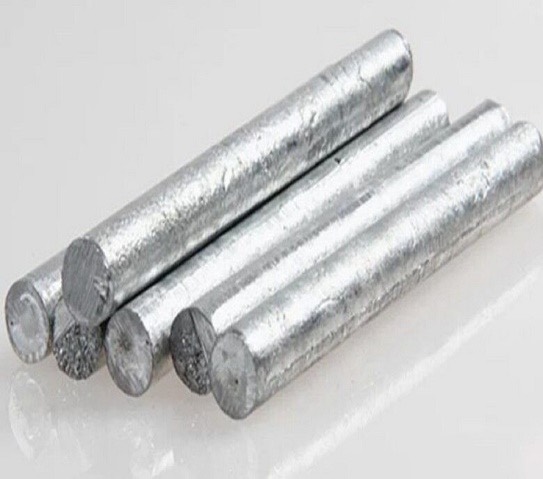
- Rod & bar
- Ingot
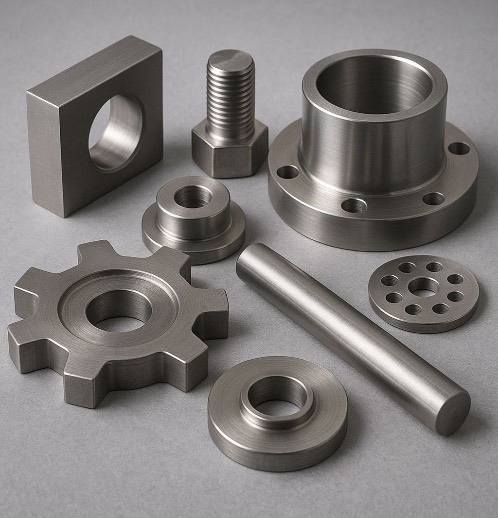
- Machined components
Applications & industries
- Electrical conductors (1350)
- Marine structures, tanks and pressure vessels (5xxx)
- Architectural and structural extrusions (6xxx)
- Aircraft structures (2xxx, 7xxx)
Selection notes & limitations
- Mechanical properties depend on alloy and temper (e.g. -O, -H32, -T6). Always specify both.
- Aerospace-specification material requires separate confirmation.
What to specify when requesting a quote
- 1Alloy and temper (e.g. 5083-H111, 6061-T6)
- 2Product standard, e.g. ASTM B209 for sheet and plate
- 3Grade and the standard it must conform to (ASTM, EN, IS, UNS or your drawing)
- 4Form and dimensions — thickness or diameter, width, length and tolerances
- 5Approximate quantity, and whether the requirement is one-off or recurring
- 6Intended application, so the grade can be cross-checked before quoting
- 7Documents required — e.g. mill test certificate, chemical analysis, certificate of conformity
- 8Delivery city / site and the date you need material by
Documents buyers may request
Mill test certificate
e.g. EN 10204 type 3.1 inspection certificate, where the producing mill issues one
Chemical analysis report
heat / lot composition against the specified grade
Certificate of conformity
confirming the material meets the ordered standard
Heat / lot traceability
heat numbers marked on material and documents
Dimensional inspection report
for cut-to-size or machined material
Safety Data Sheet (SDS)
especially for lead, beryllium-, cadmium- or lead-bearing products
Which documents can be provided depends on the source mill and is confirmed with each quotation.
Frequently asked questions
Which aluminium is suitable for marine use?
The Aluminum Association identifies 5xxx alloys such as 5083 for marine applications thanks to their weldability and corrosion resistance in the marine environment.
Sources & technical references
- Aluminum Alloys 101 (alloy designation infographic) — The Aluminum Association. Checked 2026-10-14.
- ASTM B209 — Aluminum and Aluminum-Alloy Sheet and Plate — ASTM International. Checked 2026-10-14.Full standard is paywalled — only the public abstract and scope on astm.org were read. Composition tables were not accessed.