Technical overview
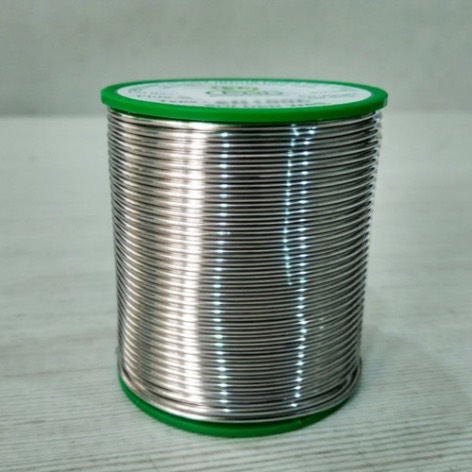
"Silver solder" usually means silver brazing alloy: filler metals classified as BAg (and silver-bearing BCuP) under AWS A5.8. They melt well above soft solders. For example, BAg-7 (56Ag-22Cu-17Zn-5Sn) melts at about 618–652 °C.
Grade selection depends on base metals and joint fit-up. Nickel-bearing BAg-24 is recommended for stainless steel. Copper-phosphorus-silver alloys such as BCuP-5 (15Ag-80Cu-5P) are used for copper-to-copper joints in refrigeration.
Grades & standards
Grades are distinct materials — properties and uses below apply to the named grade only.
BAg-7
56% silver, cadmium-free
Composition: Ag 56%, Cu 22%, Zn 17%, Sn 5%
- Low melting, very fluid
- Melt–flow 618–652 °C (1145–1205 °F)
- Cadmium-free
Listed specifications: AWS A5.8
BAg-24
50% silver with nickel
Composition: Ag 50%, Cu 20%, Zn 28%, Ni 2%
- Recommended for stainless steel
- Nickel improves wetting on base metal
Listed specifications: AWS A5.8
BCuP-5
15% silver copper-phosphorus
Composition: Ag 15%, Cu 80%, P 5%
- High joint ductility
- Copper-to-copper joints in refrigeration
Listed specifications: AWS A5.8
BAg-1
45% silver, cadmium-bearing
Composition: Ag 45%, Cu 15%, Zn 16%, Cd 24%
- Contains cadmium — toxic fumes
- Specify cadmium-free alternatives where possible
Listed specifications: AWS A5.8
Technical properties
| Property | Value | Applies to | Source |
|---|---|---|---|
| Melt–flow range | 618–652 °C | BAg-7 | Trane Technologies |
Typical or specified values for the named grade from the cited source. Actual values depend on temper, size and the producing mill — rely on the mill certificate for your lot.
Forms
Typical industry forms for this material. They are not a stock list — form, size and availability are confirmed per enquiry.
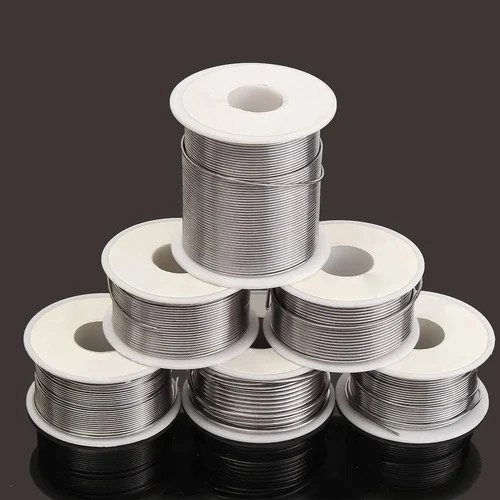
- Wire / coil
- Rod (bare or flux-coated)
- Strip
- Brazing flux paste
Applications & industries
- Brazing copper, brass and steel assemblies
- Stainless-steel joints (BAg-24)
- Refrigeration and HVAC copper tube joints (BCuP)
- Carbide tool tipping (confirm grade)
Selection notes & limitations
- BCuP (phosphorus-bearing) alloys are not generally recommended for ferrous or nickel-based base metals — confirm before use.
⚠ Cadmium-bearing grades
Some silver brazing alloys (e.g. BAg-1) contain cadmium, and its fumes are toxic. Cadmium is regulated as an occupational hazard (OSHA). Specify cadmium-free grades such as BAg-7 or BAg-24 where possible and request the SDS.
Source: Trane Technologies (reproducing Lucas-Milhaupt filler-metal data); US Occupational Safety and Health Administration (OSHA)
What to specify when requesting a quote
- 1AWS classification (e.g. BAg-7) or silver content
- 2Base metals being joined
- 3Bare, flux-coated or with separate flux
- 4Grade and the standard it must conform to (ASTM, EN, IS, UNS or your drawing)
- 5Form and dimensions — thickness or diameter, width, length and tolerances
- 6Approximate quantity, and whether the requirement is one-off or recurring
- 7Intended application, so the grade can be cross-checked before quoting
- 8Documents required — e.g. mill test certificate, chemical analysis, certificate of conformity
- 9Delivery city / site and the date you need material by
Documents buyers may request
Mill test certificate
e.g. EN 10204 type 3.1 inspection certificate, where the producing mill issues one
Chemical analysis report
heat / lot composition against the specified grade
Certificate of conformity
confirming the material meets the ordered standard
Heat / lot traceability
heat numbers marked on material and documents
Dimensional inspection report
for cut-to-size or machined material
Safety Data Sheet (SDS)
especially for lead, beryllium-, cadmium- or lead-bearing products
Which documents can be provided depends on the source mill and is confirmed with each quotation.
Frequently asked questions
Is silver solder the same as soft solder?
No. Silver "solder" is a brazing alloy melting at roughly 600 °C or more (BAg-7: ~618–652 °C), whereas soft solders melt below about 430 °C.
Sources & technical references
- Brazing alloys selection literature RSP-SLB171-EN — Trane Technologies (reproducing Lucas-Milhaupt filler-metal data). Checked 2026-10-14.OEM literature reproducing a producer table; confirm against the producer datasheet before specifying.
- Cadmium — Overview — US Occupational Safety and Health Administration (OSHA). Checked 2026-10-14.