Technical overview
In acid copper plating, anodes with a small, controlled phosphorus content form an adherent film that helps keep dissolution even and limits sludge. Luvata specifies its phosphorous copper anodes at P 0.04–0.06% and lists PCB plating and acid copper baths as their main uses.
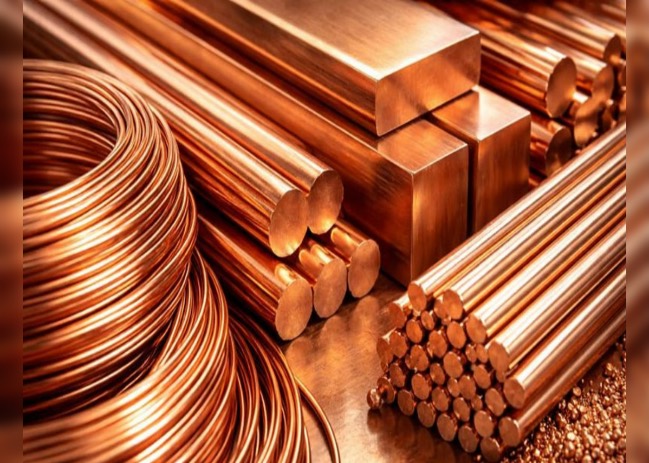
Oxygen-free copper anodes, by contrast, are used for alkaline cyanide and pyrophosphate baths. Anodes are made in several shapes, including balls, slugs, mini-slugs, plates, ovals, hexagonals and dogbones.
Grades & standards
Grades are distinct materials — properties and uses below apply to the named grade only.
Phosphorised copper anode
Acid copper plating anode
Composition: High-purity copper with P 0.04–0.06% (producer specification)
- Acid copper sulphate baths
- PCB through-hole and panel plating
- Low sludge development
C12200 (DHP) reference
Phosphorus-deoxidised copper
Composition: Cu ≥ 99.9%, P 0.015–0.040%
- CDA lists "anodes for electroplating" among C12200 uses
- Lower P than typical acid-plating anode spec — confirm with your plating chemistry supplier
Technical properties
| Property | Value | Applies to | Source |
|---|---|---|---|
| Phosphorus content | 0.04–0.06% | Luvata phosphorous copper anode | Luvata |
Typical or specified values for the named grade from the cited source. Actual values depend on temper, size and the producing mill — rely on the mill certificate for your lot.
Forms
Typical industry forms for this material. They are not a stock list — form, size and availability are confirmed per enquiry.
- Balls
- Nuggets / slugs
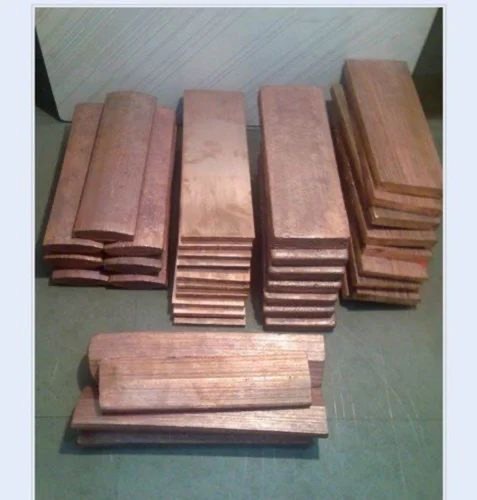
- Plates & bars
- Ovals
- Dogbones
Applications & industries
- Printed circuit board (PCB) plating
- Acid copper sulphate electroplating
- Decorative plating
- Rotogravure cylinders
Selection notes & limitations
- Not for alkaline cyanide or pyrophosphate copper baths — oxygen-free anodes are used there.
What to specify when requesting a quote
- 1Plating bath type (acid sulphate, PCB) and required P range
- 2Anode shape and size (ball diameter, nugget size, plate dimensions)
- 3Basket or hook mounting
- 4Grade and the standard it must conform to (ASTM, EN, IS, UNS or your drawing)
- 5Form and dimensions — thickness or diameter, width, length and tolerances
- 6Approximate quantity, and whether the requirement is one-off or recurring
- 7Intended application, so the grade can be cross-checked before quoting
- 8Documents required — e.g. mill test certificate, chemical analysis, certificate of conformity
- 9Delivery city / site and the date you need material by
Documents buyers may request
Mill test certificate
e.g. EN 10204 type 3.1 inspection certificate, where the producing mill issues one
Chemical analysis report
heat / lot composition against the specified grade
Certificate of conformity
confirming the material meets the ordered standard
Heat / lot traceability
heat numbers marked on material and documents
Dimensional inspection report
for cut-to-size or machined material
Safety Data Sheet (SDS)
especially for lead, beryllium-, cadmium- or lead-bearing products
Which documents can be provided depends on the source mill and is confirmed with each quotation.
Frequently asked questions
Why is phosphorus added?
A controlled phosphorus content (e.g. 0.04–0.06%) helps form a stable anode film in acid copper baths, supporting even dissolution and low sludge.
Is this the same as phosphor copper?
No. "Phosphor copper" usually refers to a copper-phosphorus master alloy with much higher phosphorus, used in foundries. Confirm which product you need.
Sources & technical references
- Copper anodes — oxygen-free and phosphorous copper anodes — Luvata (anode producer). Checked 2026-10-14.
- C12200 — Phosphorus-Deoxidized, High Residual P (DHP) (CDA alloy database) — Copper Development Association Inc. (CDA). Checked 2026-10-14.