Technical overview
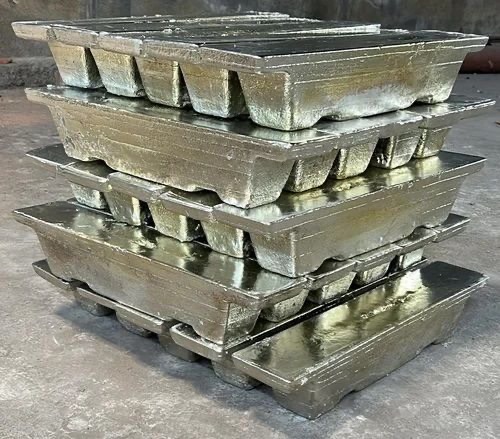
ASTM B339 covers refined pig tin and specifies a single grade, Grade A. It sets limits on antimony, arsenic, bismuth, cadmium, copper, iron, lead and other impurities.
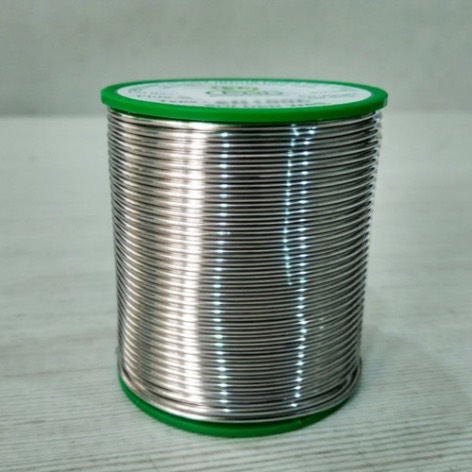
Solder is the largest use of tin, followed by tinplate and chemicals (International Tin Association). Buyers increasingly specify low-lead tin: the ITA reports a continuing shift towards < 25 ppm Pb specifications in tinplate.
Grades & standards
Grades are distinct materials — properties and uses below apply to the named grade only.
ASTM B339 Grade A
Refined pig tin
Composition: Purity and impurity limits per ASTM B339 — confirm the exact figures against the current standard
- Single grade defined by ASTM B339
- Low-lead variants specified by some solder and tinplate users
Listed specifications: ASTM B339
Forms
Typical industry forms for this material. They are not a stock list — form, size and availability are confirmed per enquiry.
- Ingot / pig
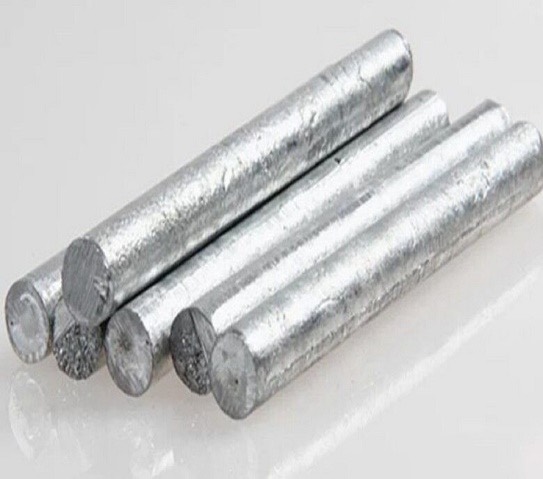
- Bar
- Granules or shot (on request)
Applications & industries
- Solder manufacture
- Tinplate and tinning
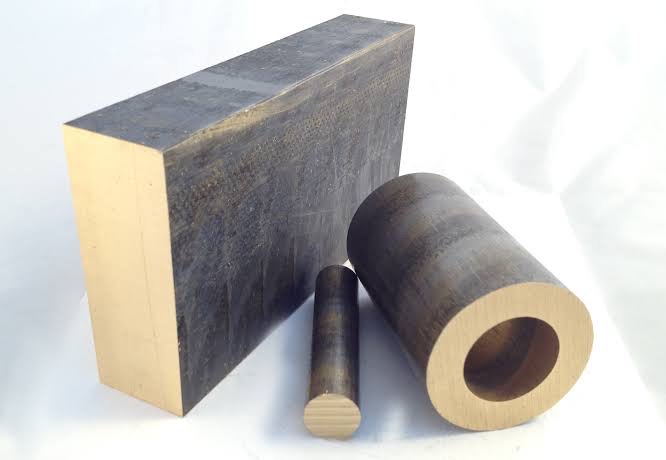
- Bronze and other alloy production
- Tin chemicals
Selection notes & limitations
- Tin purity requirements differ by end use; state any lead or bismuth limit you need.
What to specify when requesting a quote
- 1Minimum purity and any maximum lead (ppm) limit
- 2Ingot weight / shape preferred
- 3Grade and the standard it must conform to (ASTM, EN, IS, UNS or your drawing)
- 4Form and dimensions — thickness or diameter, width, length and tolerances
- 5Approximate quantity, and whether the requirement is one-off or recurring
- 6Intended application, so the grade can be cross-checked before quoting
- 7Documents required — e.g. mill test certificate, chemical analysis, certificate of conformity
- 8Delivery city / site and the date you need material by
Documents buyers may request
Mill test certificate
e.g. EN 10204 type 3.1 inspection certificate, where the producing mill issues one
Chemical analysis report
heat / lot composition against the specified grade
Certificate of conformity
confirming the material meets the ordered standard
Heat / lot traceability
heat numbers marked on material and documents
Dimensional inspection report
for cut-to-size or machined material
Safety Data Sheet (SDS)
especially for lead, beryllium-, cadmium- or lead-bearing products
Which documents can be provided depends on the source mill and is confirmed with each quotation.
Frequently asked questions
What purity is Grade A tin?
ASTM B339 defines Grade A with specific impurity limits. We have not reproduced the figures here because the full standard is paywalled — we will confirm the certified analysis with each quotation.
Sources & technical references
- ASTM B339 — Standard Specification for Pig Tin — ASTM International. Checked 2026-10-14.Full standard is paywalled — only the public abstract and scope on astm.org were read. Composition tables were not accessed.
- ITA tin use survey press release (Oct 2023) — International Tin Association. Checked 2026-10-14.